 0481 272 355
 ontrackelectrical@gmail.com


Commercial Switchboard Upgrades
Board upgrades, distribution boards and sub-mains, sized for what your site runs and staged to suit how you use the premises.


Rated 5.0 from 10+ Google reviews
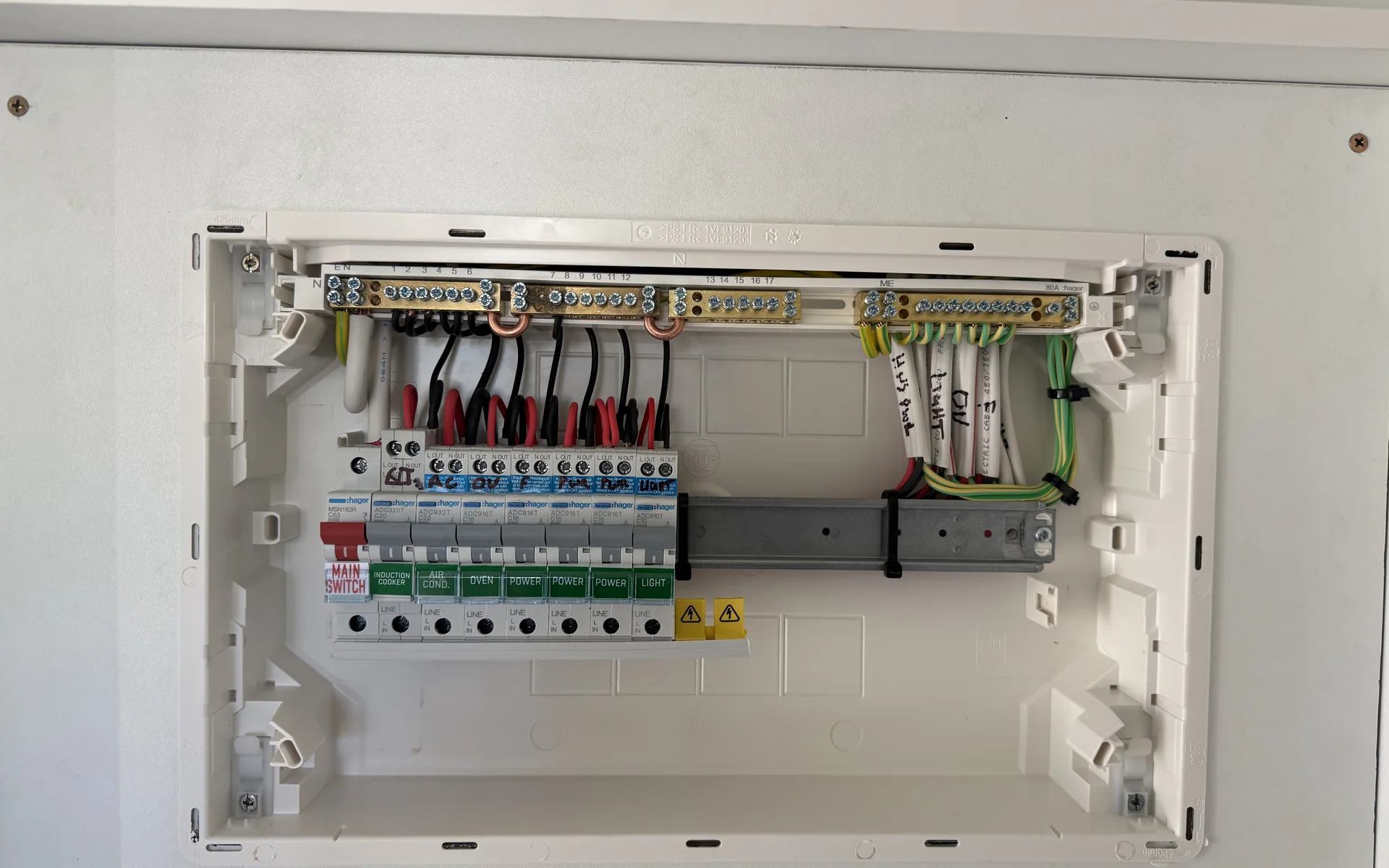
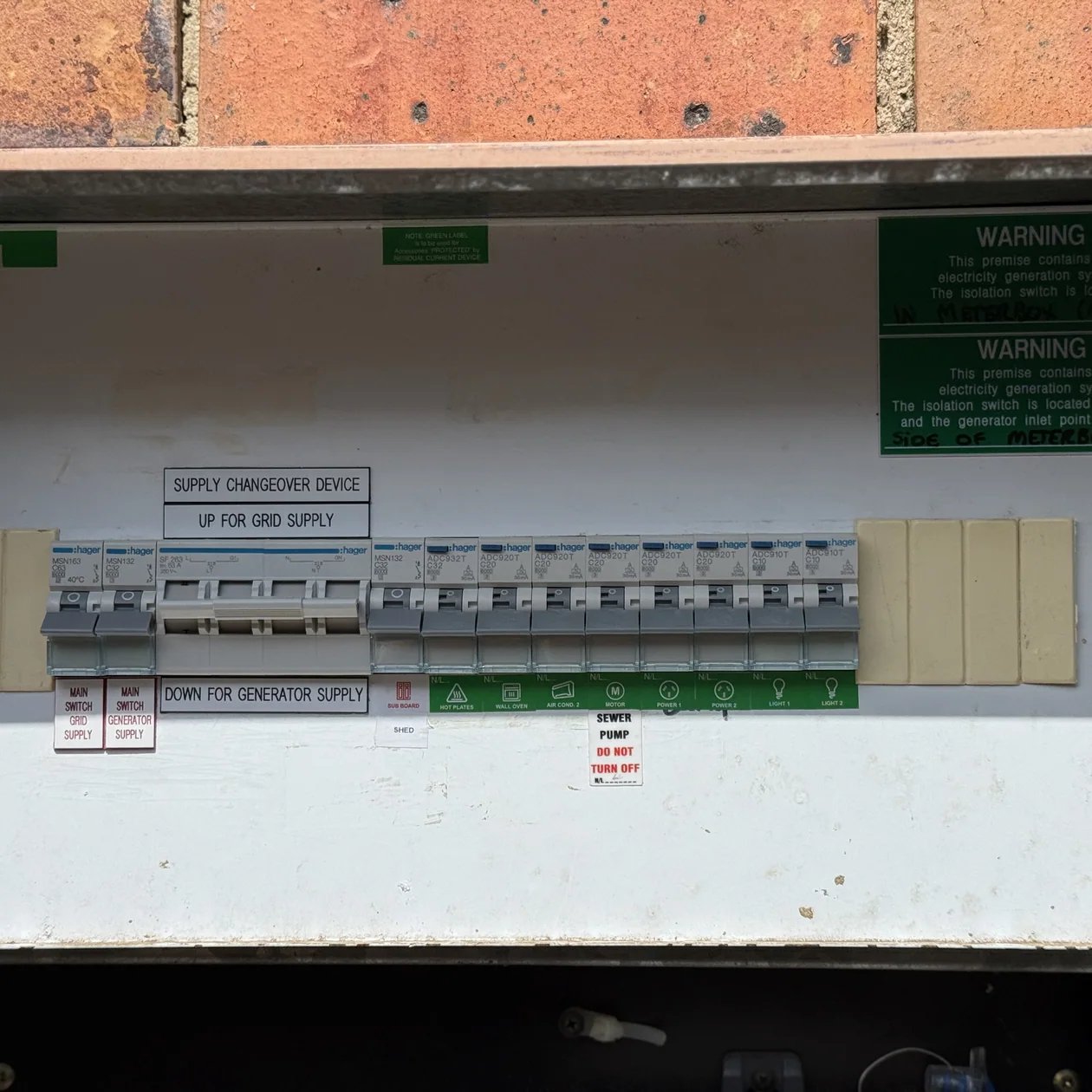
What an Upgrade Needs to Achieve
Switchboard work usually comes up because something else is being added. New equipment, an extra bench circuit, a charger, air conditioning. Each one needs a position on the board and capacity behind it, so the board is where the planning starts.
On premises that have changed hands a few times, the board often reflects what the building used to do. The protection suits a previous fitout, the labelling refers to circuits that have since been altered, and the spare positions have long since been used up.
An upgrade is the chance to fix all of that at once: capacity for what you're adding, protection matched to the circuits it's feeding, and labelling clear enough that anyone can isolate the right thing quickly.
- Capacity for the circuits you're adding now and later
- Protection matched to what each circuit feeds
- Residual current protection where it's required
- Clear labelling so the right circuit can be isolated fast
- Distribution boards and sub-mains where the load has moved

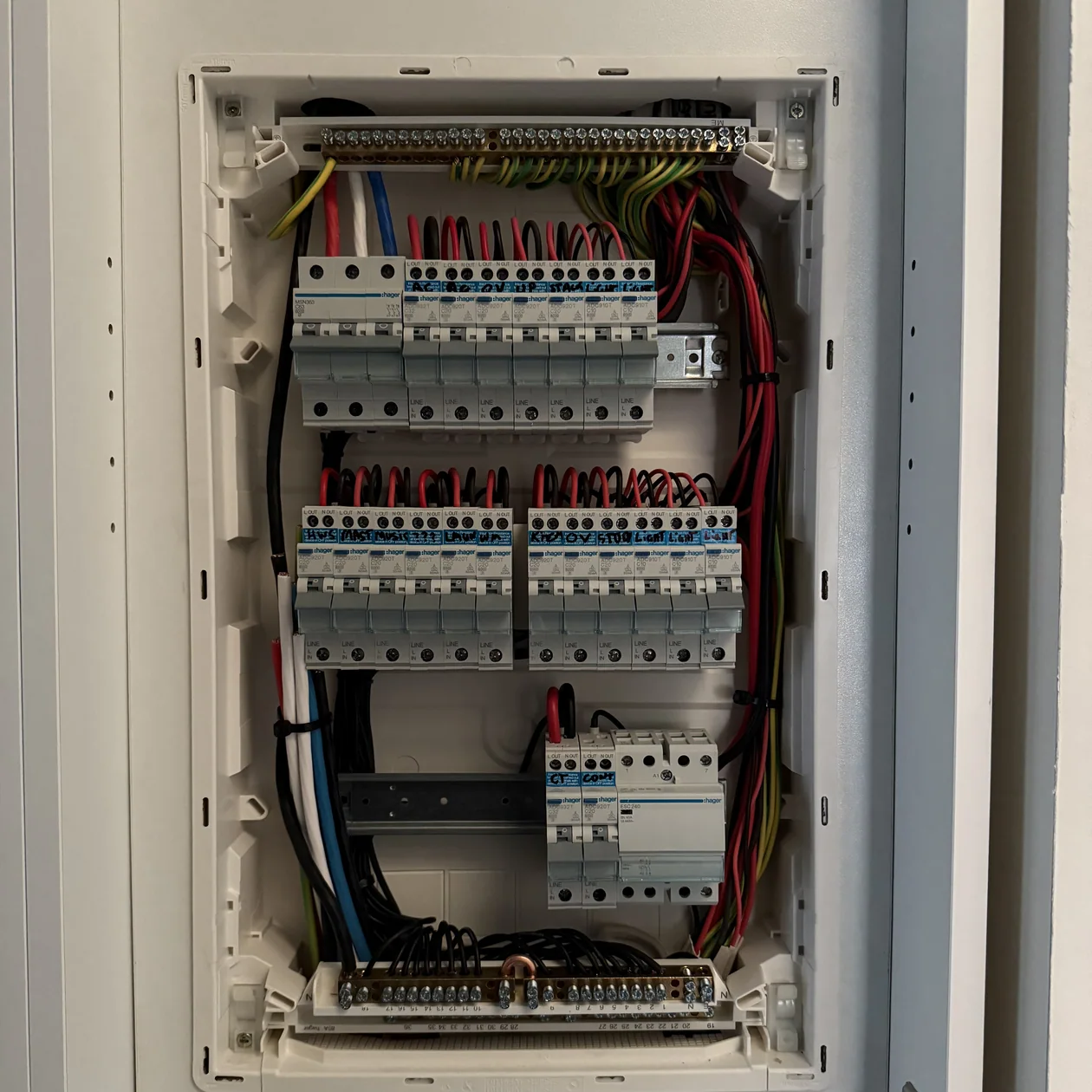
Capacity, Protection and Labelling Together
We size the board against what the site runs now and what you're realistically adding over the next few years. Building in spare capacity at the time of the upgrade costs very little, and it's what stops the next addition turning into another board job.
Protection is set to suit the circuits it feeds, residual current protection goes on where it's required, and every circuit is labelled clearly enough that someone who has never seen the board can isolate the right thing quickly.
Where the premises can't lose power all at once, we look at staging it. That might mean installing a new board alongside the existing one and transferring circuits in planned groups. It takes more coordination, and it's set out in the quote so you know what to expect.
Sub-mains and distribution boards come into it wherever the load has moved away from the main board, such as a workshop at the rear of a site or a mezzanine that's been fitted out. A properly sized sub-main is usually a better answer than running long individual circuits from the front of the building.
Get A Free QuoteWhat Our Customers Say
- Luke G Business Owner
Liam did a great job for my shop, i was impressed that he got it done in time frame Thanks again
 Google
- Daniel S Customer
I can highly recommend Liam from Ontrack Electrical. Very professional, thorough, reasonably priced and trustworthy to have complete your electrical works.
Google - Diego C Customer
100% would recommend Liam. Very responsive and always on time. Everything completed as discussed and to a high standard.
Google
Get A Free Switchboard Quote
Send a photo of the board with the cover on, and tell us what you're adding and whether the site can lose power at any point. Contact Ontrack Electrical for a free quote.
- Phone 0481 272 355
- Service Area Berwick & Melbourne's South East


Commercial Switchboard Questions
The usual signs are no spare positions, rewireable fuses, no residual current protection, or labelling that no longer matches what's connected. If a board is warm to touch, corroded or overcrowded, it's worth looking at sooner, not at the point something fails.
There's a period where power is off, though how long depends on the approach. A straight changeover means a block of downtime. Where that isn't workable we can install alongside the existing board and transfer circuits in stages. We'll agree which approach suits you before starting.
More than you think you need. Adding spare positions during an upgrade is inexpensive; finding you're full again in two years is not. We'll ask what you expect to add over the next few years and size for that as well as for today.
It's a supply run from the main board to a distribution board elsewhere on the site. It makes sense when the load has moved away from the main board, such as a workshop at the rear or a fitted-out mezzanine. Feeding those from a properly sized sub-main is usually better than running long individual circuits.
Yes. Switchboard work carries testing and certification obligations and we take care of those as part of the job. Where a supply authority application is involved we'll flag it at the quote, because it tends to affect the timeline more than the price.
It varies more than most jobs, driven by the number of circuits, the enclosure required, whether the supply itself changes and whether the work has to be staged. We'll look at the site and provide a clear quote, and there's no charge for the quote.